2023 · Punjabi historical feature · Alex Reece as W.C. Hopkinson
2023 · पंजाबी ऐतिहासिक फ़ीचर फ़िल्म · डब्ल्यू. सी. हॉपकिंसन के रूप में एलेक्स रीसे
Sarabha
Cry for Freedom
सराभा
क्राइ फ़ॉर फ़्रीडम
A same-day Hindi audition. A flight to Canada. Another chapter in colonial history.
उसी दिन हिंदी ऑडिशन। कनाडा की उड़ान। औपनिवेशिक इतिहास का एक और अध्याय।
INTRODUCTION
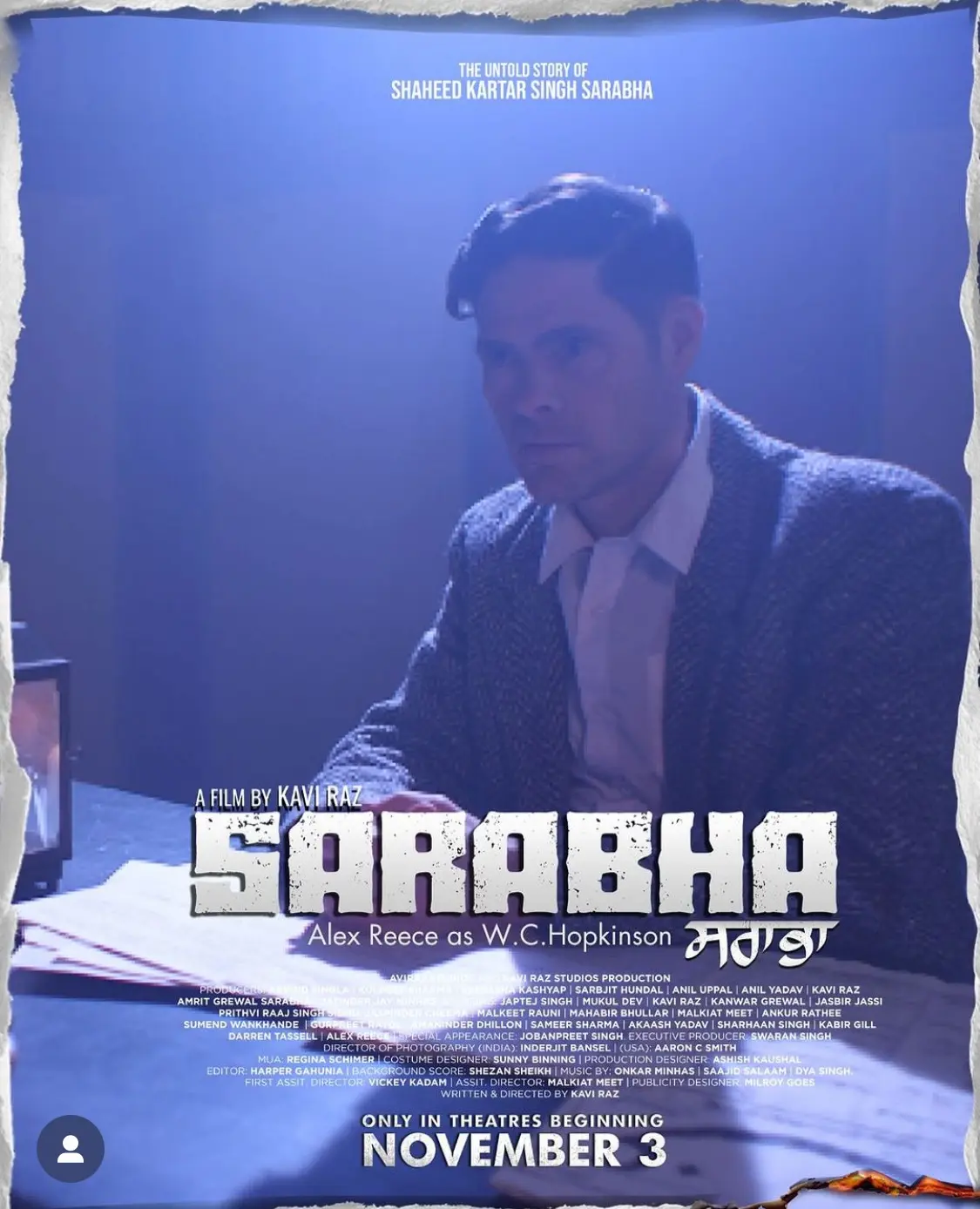
Sarabha: Cry for Freedom —
Alex Reece as W.C. Hopkinson
Alex Reece plays W.C. Hopkinson in Kavi Raz’s Punjabi historical drama Sarabha: Cry for Freedom. The film follows Kartar Singh Sarabha—played by Japtej Singh—from student life in North America to his central place in the Ghadar movement and his execution by the British at nineteen.
THE ROLE
Hopkinson was an India-born British police and immigration intelligence officer who spoke Hindi and used informants to penetrate anti-colonial networks in North America. For Alex, the role continued a developing body of work inside the contested history of British rule in India.
परिचय
सराभा: क्राइ फ़ॉर फ़्रीडम —
डब्ल्यू. सी. हॉपकिंसन के रूप में एलेक्स रीसे
कवि राज के पंजाबी ऐतिहासिक ड्रामा सराभा: क्राइ फ़ॉर फ़्रीडम में एलेक्स रीसे ने डब्ल्यू. सी. हॉपकिंसन की भूमिका निभाई। फ़िल्म करतार सिंह सराभा—जिनकी भूमिका जपतेज सिंह ने निभाई—की उत्तरी अमेरिका में छात्र जीवन से ग़दर आंदोलन में उनकी केंद्रीय भूमिका और उन्नीस वर्ष की आयु में अंग्रेज़ों द्वारा दी गई फाँसी तक की यात्रा दिखाती है।
भूमिका
हॉपकिंसन भारत में जन्मे ब्रिटिश पुलिस और अप्रवासन ख़ुफ़िया अधिकारी थे। वे हिंदी बोलते थे और उत्तरी अमेरिका के औपनिवेशिक-विरोधी नेटवर्क में घुसपैठ के लिए मुखबिरों का इस्तेमाल करते थे। एलेक्स के लिए यह भूमिका भारत में ब्रिटिश शासन के विवादित इतिहास पर आधारित काम की अगली कड़ी थी।
The post that became an audition
वह पोस्ट जो ऑडिशन बन गई
DEVANAGARI, SEEN ONLINE
A few weeks of Hindi.
One unexpected message.
ऑनलाइन दिखी देवनागरी
हिंदी के कुछ सप्ताह।
एक अप्रत्याशित संदेश।
Shortly after Sajjan Singh Rangroot, I began learning Hindi. I posted a little Devanagari online—simply evidence that I was trying—and casting director Jobanpreet Singh saw it.
He contacted me and asked whether I spoke Hindi. I said I was learning. He replied that he was casting a film and asked if I would audition.
Of course I said yes. Then came the detail. He sent a paragraph of dialogue and, when I asked when he needed it, said: later that day.
In Britain I was used to three or four days, sometimes a week. At that point I had studied Hindi for only a few weeks or months. The opportunity had arrived well ahead of my readiness.
सज्जन सिंह रंगरूट के कुछ समय बाद मैंने हिंदी सीखना शुरू किया। मैंने ऑनलाइन देवनागरी में कुछ लिखा—बस यह दिखाने के लिए कि मैं कोशिश कर रहा था—और कास्टिंग डायरेक्टर जोबनप्रीत सिंह ने उसे देखा।
उन्होंने पूछा कि क्या मैं हिंदी बोलता हूँ। मैंने कहा कि सीख रहा हूँ। उन्होंने बताया कि वे एक फ़िल्म की कास्टिंग कर रहे हैं और पूछा कि क्या मैं ऑडिशन दूँगा।
मैंने तुरंत हाँ कहा। फिर असली बात सामने आई। उन्होंने संवाद का एक अनुच्छेद भेजा और जब मैंने पूछा कि कब तक चाहिए, तो उत्तर था: आज शाम।
ब्रिटेन में मुझे सामान्यतः तीन या चार दिन, कभी-कभी एक सप्ताह मिलता था। तब मैंने हिंदी केवल कुछ सप्ताह या महीनों से पढ़ी थी। अवसर मेरी तैयारी से बहुत पहले आ गया था।
The same-day Hindi audition
उसी दिन का हिंदी ऑडिशन
SOUND BY SOUND
Learn it fast.
Make it look easy.
I called my teacher in Mumbai, Anil Mahato, and we worked through the monologue phonetically, sound by sound. It ran for roughly two minutes—long enough to expose every weakness when the language is new.
I learned it as well as I could, recorded it later that day and sent it with the deliberate attitude of someone who had spent only ten minutes preparing. The private panic did not need to appear on camera.
Apparently it worked. I got the job.
That audition became an early lesson in screen Hindi: preparation can be intense, but the result must still feel immediate.
एक-एक ध्वनि
तेज़ी से सीखो।
उसे सहज दिखाओ।
मैंने मुंबई में अपने शिक्षक अनिल महतो को फ़ोन किया और हमने मोनोलॉग को ध्वनि-दर-ध्वनि, पूरी तरह फ़ोनेटिक ढंग से तैयार किया। वह लगभग दो मिनट का था—नई भाषा में हर कमजोरी सामने लाने के लिए पर्याप्त लंबा।
मैंने उसे जितना संभव था उतना सीखा, उसी दिन रिकॉर्ड किया और इस भाव से भेजा जैसे तैयारी में केवल दस मिनट लगे हों। भीतर की घबराहट कैमरे पर दिखाने की ज़रूरत नहीं थी।
योजना काम कर गई। मुझे भूमिका मिल गई।
वह ऑडिशन स्क्रीन हिंदी का शुरुआती पाठ बना: तैयारी कितनी भी कठिन हो, परिणाम को सहज और तत्काल महसूस होना चाहिए।
Canada and the overnight rewrite
कनाडा और रातों-रात बदले संवाद
MONTHS OF PREPARATION. TWO NEW PAGES.
The lines changed.
The camera did not wait.
महीनों की तैयारी। दो नए पृष्ठ।
संवाद बदल गए।
कैमरा नहीं रुका।
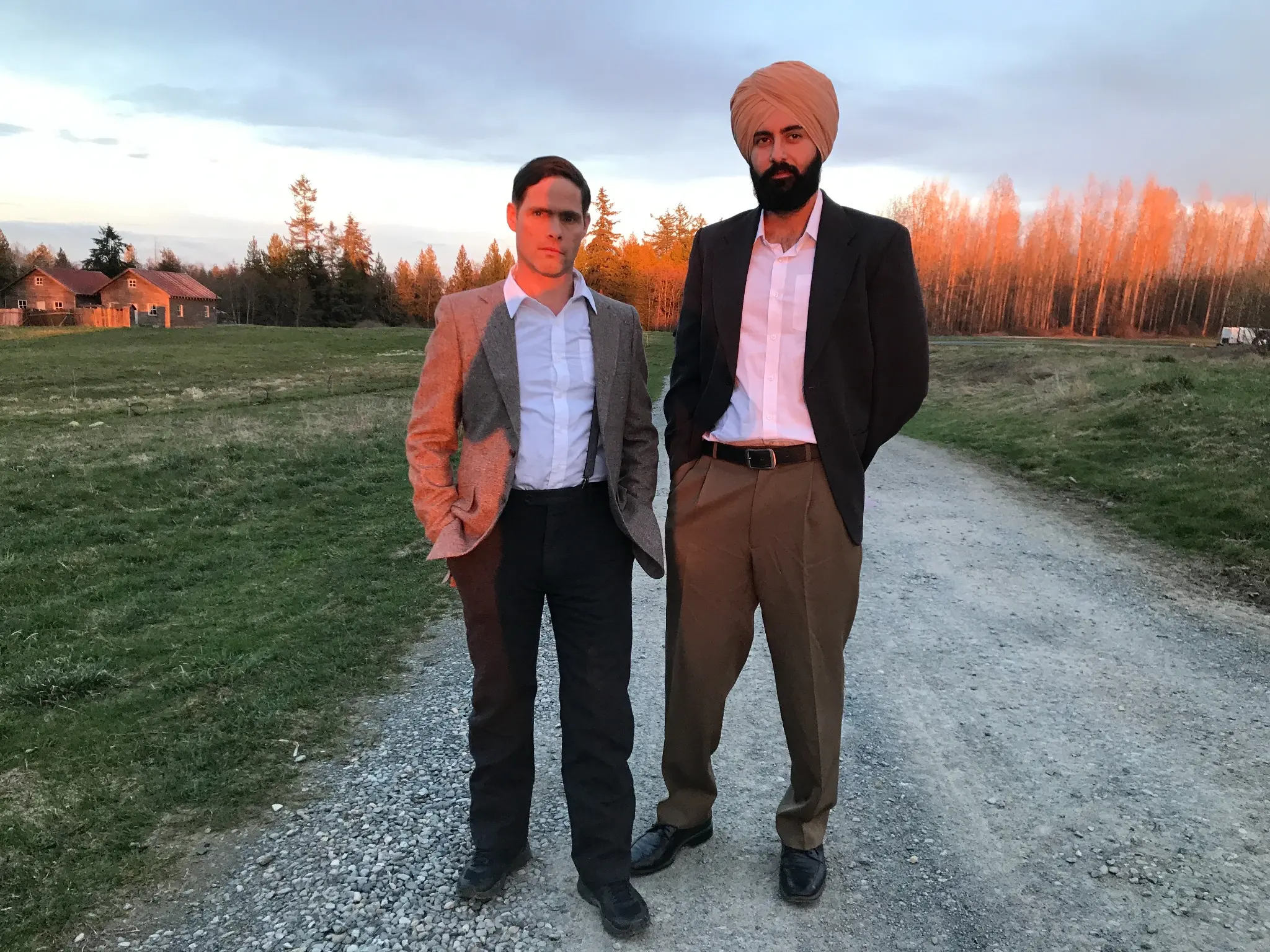
I flew to Canada for a week of filming at a remarkable studio complex in the middle of nowhere, with an entire period town built around us. It was also the first production to put me in a suite rather than a room: bedroom, kitchen, sofas and transport to and from set. For an actor still building his Indian career, it felt rather magnificent.
The day before filming, two new pages of Hindi dialogue arrived in my room. The material I had spent months learning had been replaced.
I woke Anil in Mumbai and worked with him on the phone for around twelve hours. We pushed as hard as we could, but my Hindi was not yet equal to a last-minute rewrite of that length. The dialogue was ultimately dubbed.
I was disappointed. Seven or eight years further into studying Hindi, I also understand the decision. Language contains rhythm, intention and cultural precision that cannot be faked merely by reproducing the sounds. I wanted the performance to survive; the production needed the dialogue to land.
मैं एक सप्ताह की शूटिंग के लिए कनाडा गया। दूर-दराज़ स्थित उस अद्भुत स्टूडियो परिसर में हमारे चारों ओर पूरा पुराना शहर बनाया गया था। यह पहला प्रोडक्शन भी था जिसने मुझे साधारण कमरे के बजाय पूरा सुइट दिया—शयनकक्ष, रसोई, सोफ़े और सेट तक आने-जाने की गाड़ी। भारत में अपना अभिनय करियर बना रहे कलाकार के लिए यह काफ़ी शानदार अनुभव था।
शूटिंग से एक दिन पहले मेरे कमरे में हिंदी संवाद के दो नए पृष्ठ पहुँचे। जिस सामग्री को मैंने महीनों से तैयार किया था, उसे बदल दिया गया था।
मैंने मुंबई में अनिल को रात में जगाया और लगभग बारह घंटे फ़ोन पर उनके साथ काम किया। हमने पूरा प्रयास किया, लेकिन उस समय मेरी हिंदी इतने बड़े आख़िरी क्षण के बदलाव के लिए तैयार नहीं थी। अंततः संवाद डब किए गए।
मुझे निराशा हुई। हिंदी के सात या आठ वर्ष के आगे के अध्ययन के बाद मैं निर्णय को समझता भी हूँ। भाषा में लय, आशय और सांस्कृतिक सटीकता होती है जिसे केवल ध्वनियाँ दोहराकर नहीं बनाया जा सकता। मैं चाहता था कि अभिनय बचा रहे; प्रोडक्शन को संवाद सही उतरना था।
Playing W.C. Hopkinson
डब्ल्यू. सी. हॉपकिंसन की भूमिका
LANGUAGE AS INTELLIGENCE
Inside the movement.
Working against it.
Hopkinson was born in India and had served in the Indian police before working as an immigration inspector and intelligence officer in Canada. He spoke Hindi and used a network of informants to monitor and penetrate the Ghadar movement in North America.
That made the language central to the character rather than decorative. His knowledge allowed him to enter spaces, interpret loyalties and turn relationships into intelligence.
The machinery of surveillance and informers helped expose organisers and fed the colonial prosecutions that followed. Hopkinson himself was shot dead in Vancouver in 1914; Kartar Singh Sarabha was hanged in Lahore the following year, aged nineteen.
For me, this was another step through the history of colonial India—once again playing a man using authority and intelligence to obstruct a movement for Indian freedom.
ख़ुफ़िया औज़ार के रूप में भाषा
आंदोलन के भीतर।
और उसी के विरुद्ध।
हॉपकिंसन का जन्म भारत में हुआ था। कनाडा में अप्रवासन निरीक्षक और ख़ुफ़िया अधिकारी बनने से पहले वे भारतीय पुलिस में सेवा कर चुके थे। वे हिंदी बोलते थे और उत्तरी अमेरिका में ग़दर आंदोलन पर नज़र रखने तथा उसमें घुसपैठ करने के लिए मुखबिरों का नेटवर्क इस्तेमाल करते थे।
इसलिए भाषा पात्र के लिए सजावट नहीं, उसका केंद्रीय औज़ार थी। उसके ज्ञान ने उसे समुदायों में प्रवेश करने, निष्ठाओं को समझने और संबंधों को ख़ुफ़िया जानकारी में बदलने की क्षमता दी।
निगरानी और मुखबिरों की इस व्यवस्था ने आयोजकों को उजागर करने और बाद की औपनिवेशिक कार्रवाइयों को सामग्री देने में भूमिका निभाई। हॉपकिंसन की 1914 में वैंकूवर में गोली मारकर हत्या कर दी गई; अगले वर्ष उन्नीस वर्षीय करतार सिंह सराभा को लाहौर में फाँसी दी गई।
मेरे लिए यह औपनिवेशिक भारत के इतिहास की अगली यात्रा थी—फिर एक ऐसे व्यक्ति की भूमिका जो भारतीय स्वतंत्रता आंदोलन को रोकने के लिए सत्ता और ख़ुफ़िया जानकारी का उपयोग करता है।
The people around the film
फ़िल्म के साथी
KAVI, JAPTEJ AND JOBANPREET
A history lesson.
And some less formal Hindi.
कवि, जपतेज और जोबनप्रीत
इतिहास का पाठ।
और कुछ कम औपचारिक हिंदी।
Japtej Singh carried the title role with youth, focus and an extraordinary physical resemblance to the real Kartar Singh Sarabha. Between scenes, he also began improving a different corner of my vocabulary by teaching me some of Hindi’s ruder and more colloquial expressions.
Kavi Raz wrote and directed the film and played Ghadar Party founder Sohan Singh Bhakna. Jobanpreet Singh—the casting director whose message began my involvement—also appeared as Kanhya Singh.
The ensemble included the late Mukul Dev as Harnam Singh Tundilat. Mukul died in May 2025, leaving a substantial body of work across Hindi, Punjabi and other Indian screen industries.
These were generous, experienced people telling the story of figures too often left outside the standard account of Indian independence. It was a privilege to enter that world with them.
जपतेज सिंह ने युवा ऊर्जा, एकाग्रता और वास्तविक करतार सिंह सराभा से अद्भुत शारीरिक समानता के साथ शीर्षक भूमिका निभाई। दृश्यों के बीच उन्होंने मेरी शब्दावली के एक अलग हिस्से को भी सुधारना शुरू किया—हिंदी के कुछ अधिक अशिष्ट और बोलचाल वाले शब्द सिखाकर।
कवि राज ने फ़िल्म लिखी और निर्देशित की तथा ग़दर पार्टी के संस्थापक सोहन सिंह भकना की भूमिका निभाई। कास्टिंग डायरेक्टर जोबनप्रीत सिंह—जिनके संदेश से मेरी भागीदारी शुरू हुई—कन्हैया सिंह के रूप में भी दिखाई दिए।
कलाकारों में स्वर्गीय मुकुल देव भी थे, जिन्होंने हरनाम सिंह टुंडीलाट की भूमिका निभाई। मई 2025 में मुकुल का निधन हुआ; वे हिंदी, पंजाबी और अन्य भारतीय फ़िल्म उद्योगों में एक व्यापक कार्य-संसार छोड़ गए।
ये उदार और अनुभवी लोग उन व्यक्तियों की कहानी कह रहे थे जिन्हें भारतीय स्वतंत्रता के सामान्य इतिहास में अक्सर पर्याप्त स्थान नहीं मिला। उनके साथ उस संसार में प्रवेश करना मेरे लिए सौभाग्य था।
The film’s long journey
फ़िल्म की लंबी यात्रा
FILMED ACROSS THREE COUNTRIES
A North American movement.
A global production.
Production began years before the film reached cinemas. The story was filmed across India, Canada and the United States—appropriate for a movement that took shape among Indian workers and students abroad before turning its attention back towards India.
Sarabha opened theatrically in November 2023, including in India, the UK, the United States and Canada. It was presented as the first feature biopic centred on Kartar Singh Sarabha, a revolutionary who became an inspiration to Bhagat Singh.
My own week in Canada was only one piece of that much larger undertaking. It remains a formative part of my journey: the point where a hesitant experiment with Devanagari became a Hindi audition, an international film and a deeper commitment to the language.
तीन देशों में फ़िल्मांकन
उत्तरी अमेरिका का आंदोलन।
एक वैश्विक प्रोडक्शन।
फ़िल्म के सिनेमाघरों तक पहुँचने से कई वर्ष पहले प्रोडक्शन शुरू हुआ था। कहानी भारत, कनाडा और संयुक्त राज्य अमेरिका में फ़िल्माई गई—उस आंदोलन के लिए उपयुक्त, जिसने विदेश में भारतीय कामगारों और छात्रों के बीच आकार लिया और फिर अपना ध्यान भारत की ओर मोड़ा।
सराभा नवंबर 2023 में भारत, ब्रिटेन, अमेरिका और कनाडा सहित कई देशों के सिनेमाघरों में प्रदर्शित हुई। इसे करतार सिंह सराभा पर केंद्रित पहली फ़ीचर बायोपिक के रूप में प्रस्तुत किया गया—वह क्रांतिकारी जो भगत सिंह के लिए प्रेरणा बने।
कनाडा में मेरा एक सप्ताह उस बहुत बड़े प्रयास का केवल एक हिस्सा था। फिर भी यह मेरी यात्रा का निर्णायक चरण रहा: वह बिंदु जहाँ देवनागरी का संकोची प्रयोग हिंदी ऑडिशन, अंतरराष्ट्रीय फ़िल्म और भाषा के प्रति गहरी प्रतिबद्धता में बदल गया।
Gallery
चित्र दीर्घा
SARABHA: CRY FOR FREEDOM
On location
in Canada.
सराभा: क्राइ फ़ॉर फ़्रीडम
कनाडा में
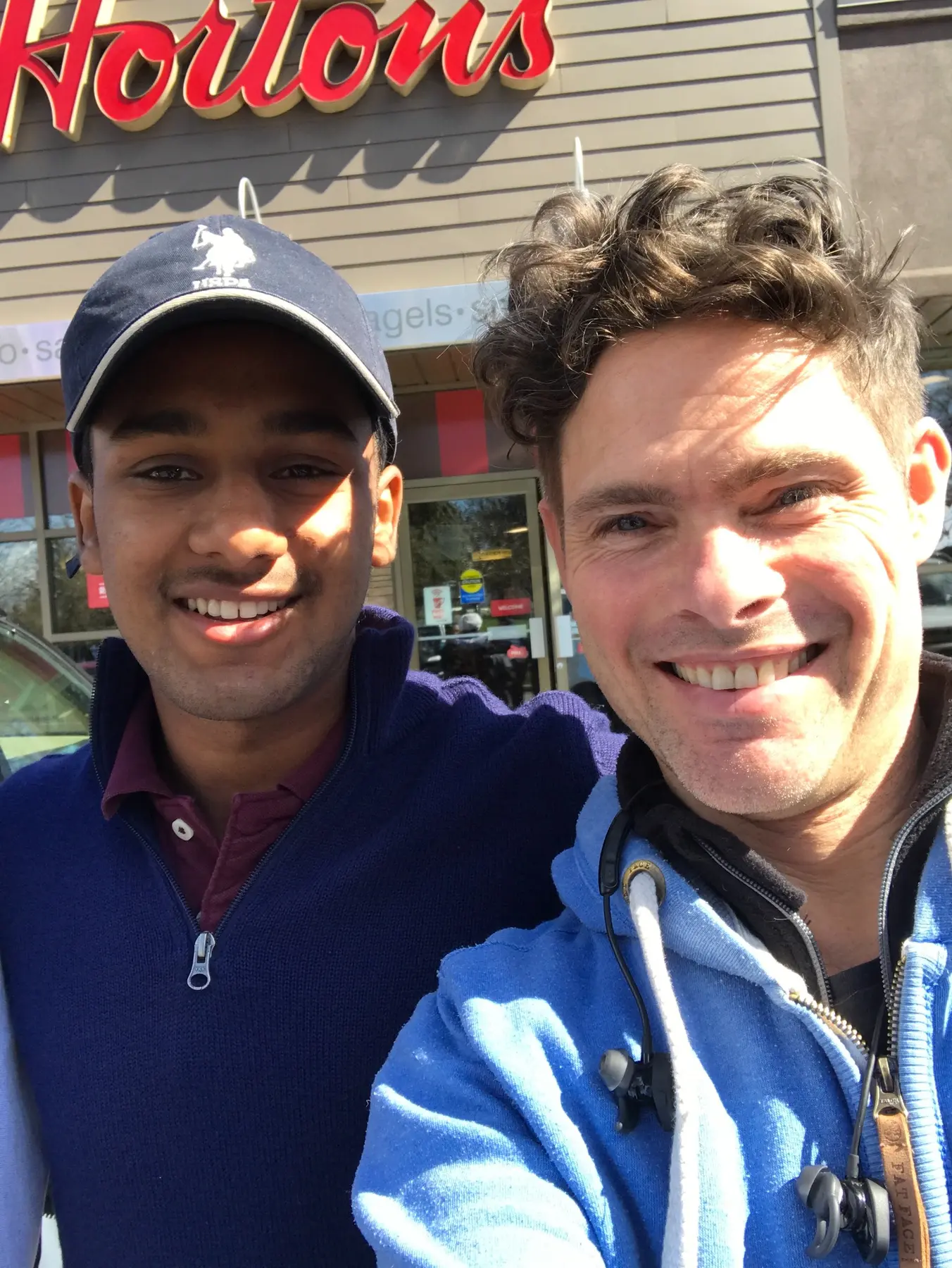
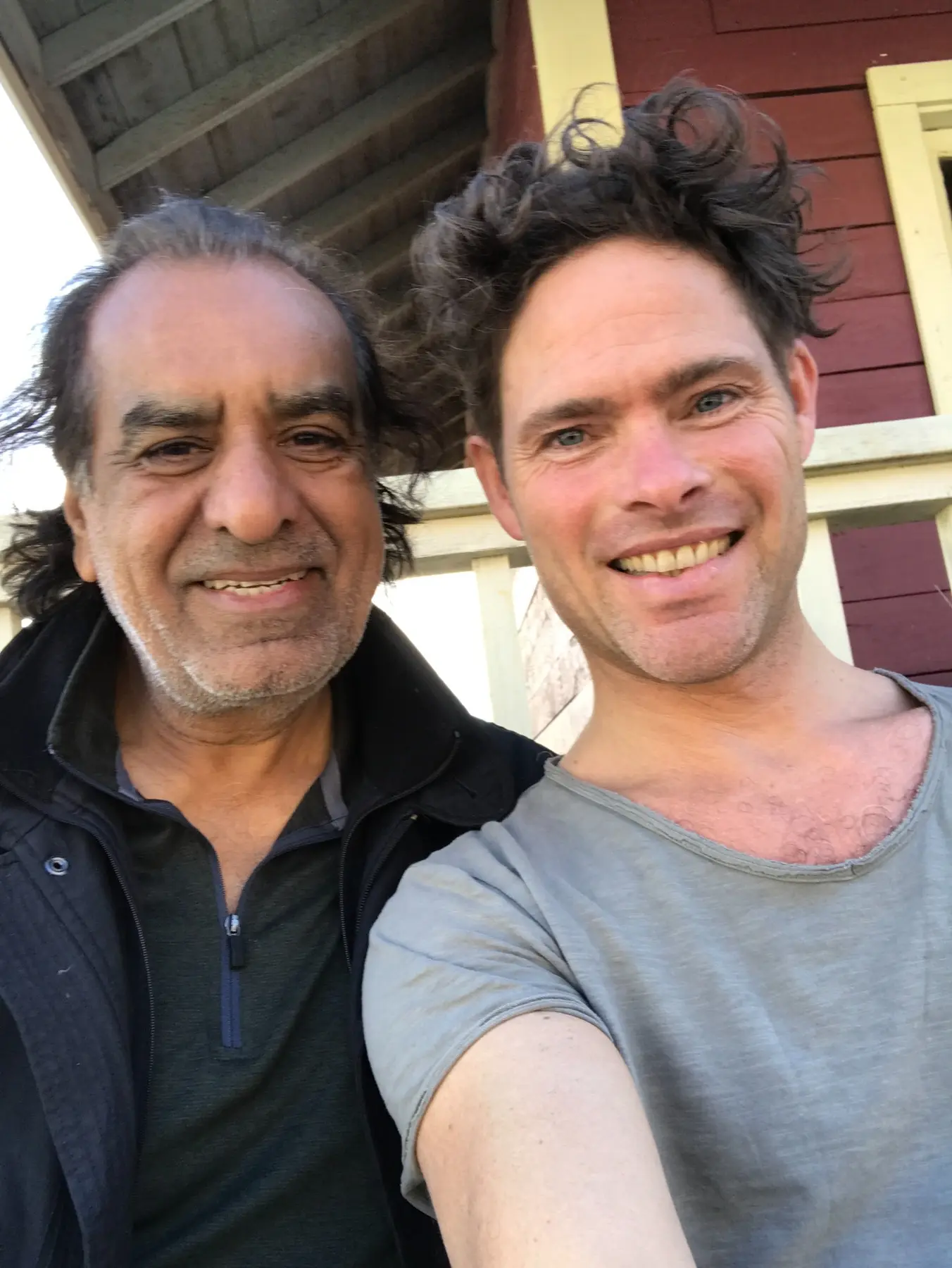
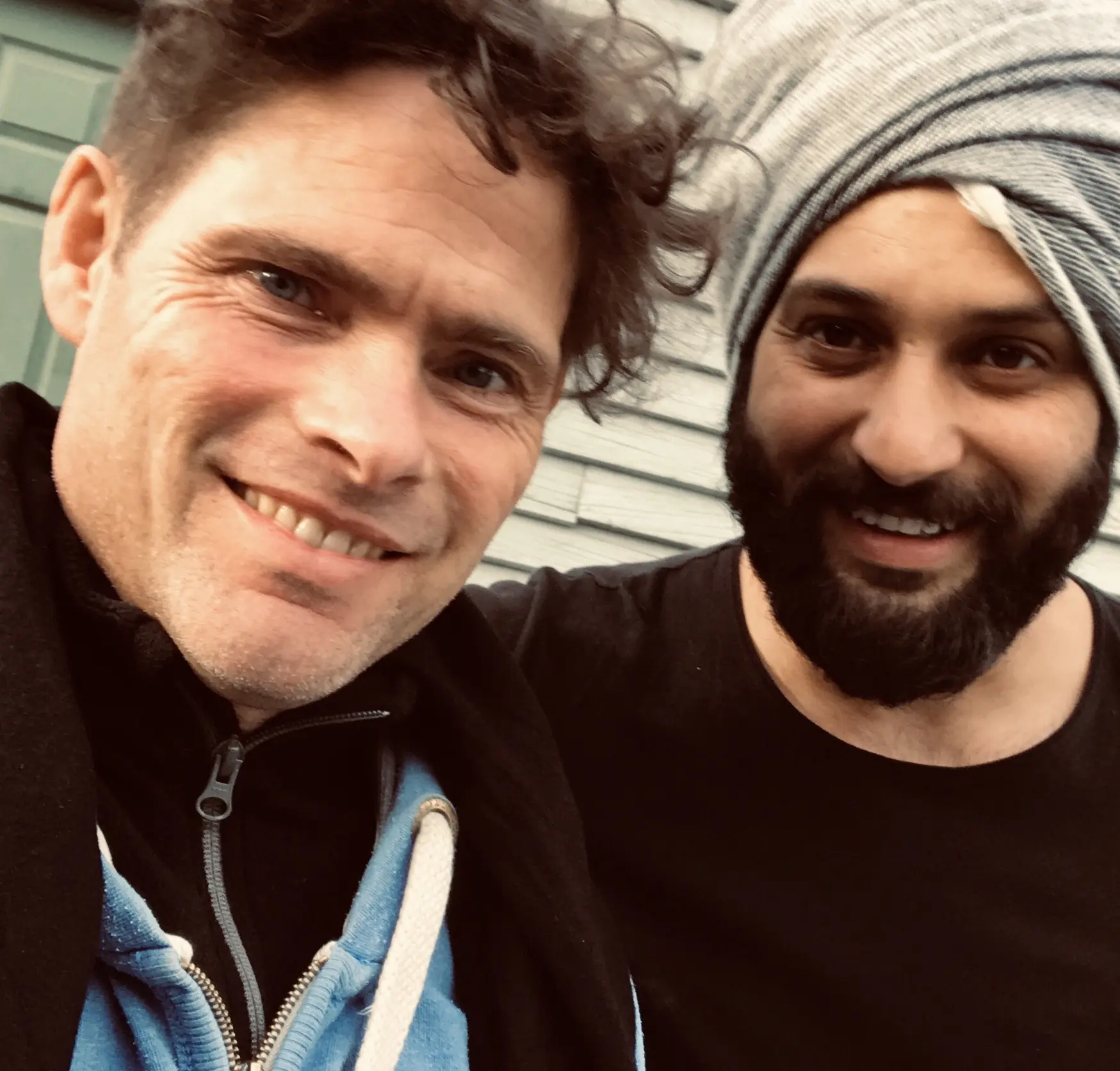
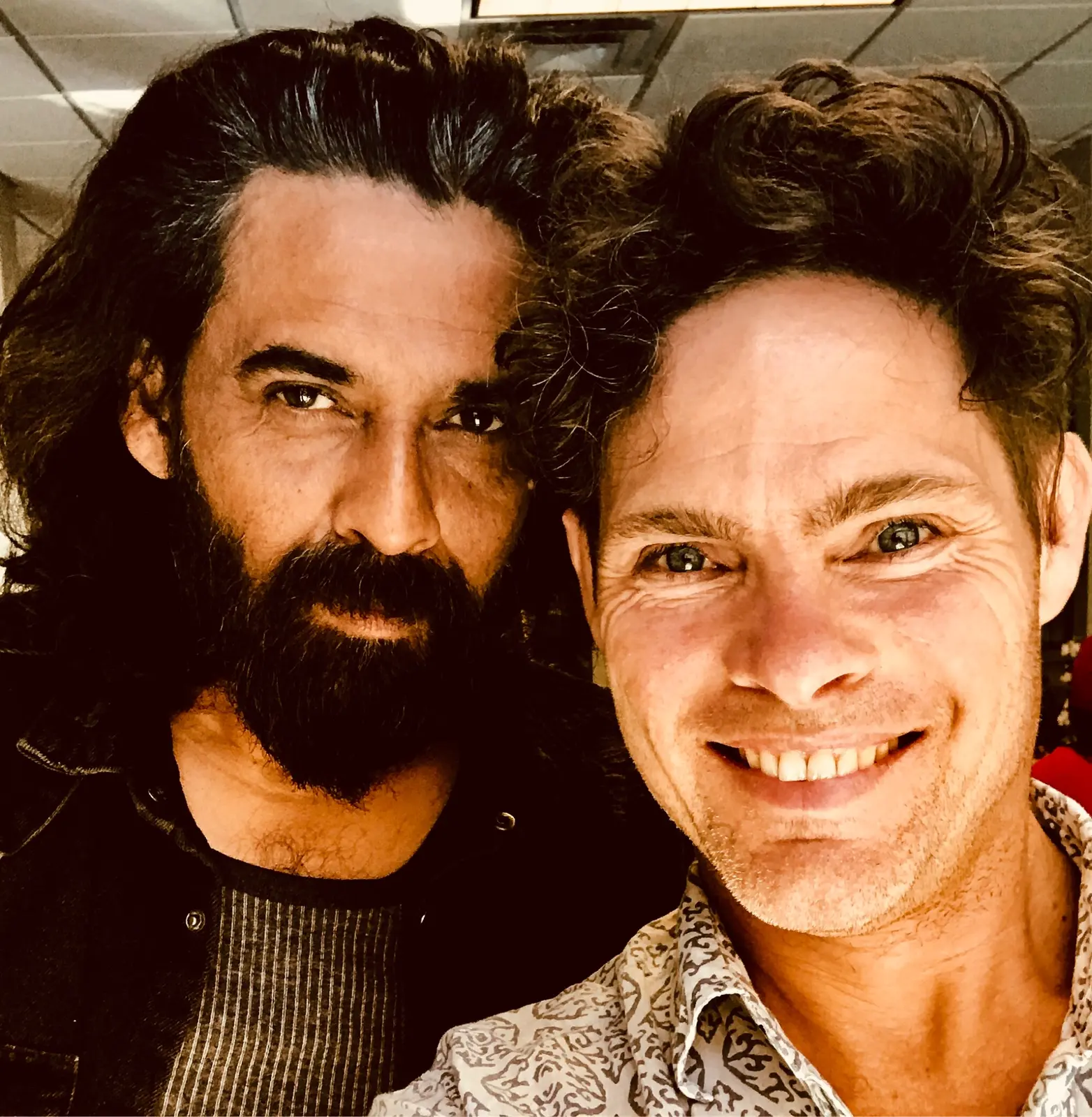
लोकेशन पर।